
Assessed First
Mold Removal & Remediation in Memphis, TN
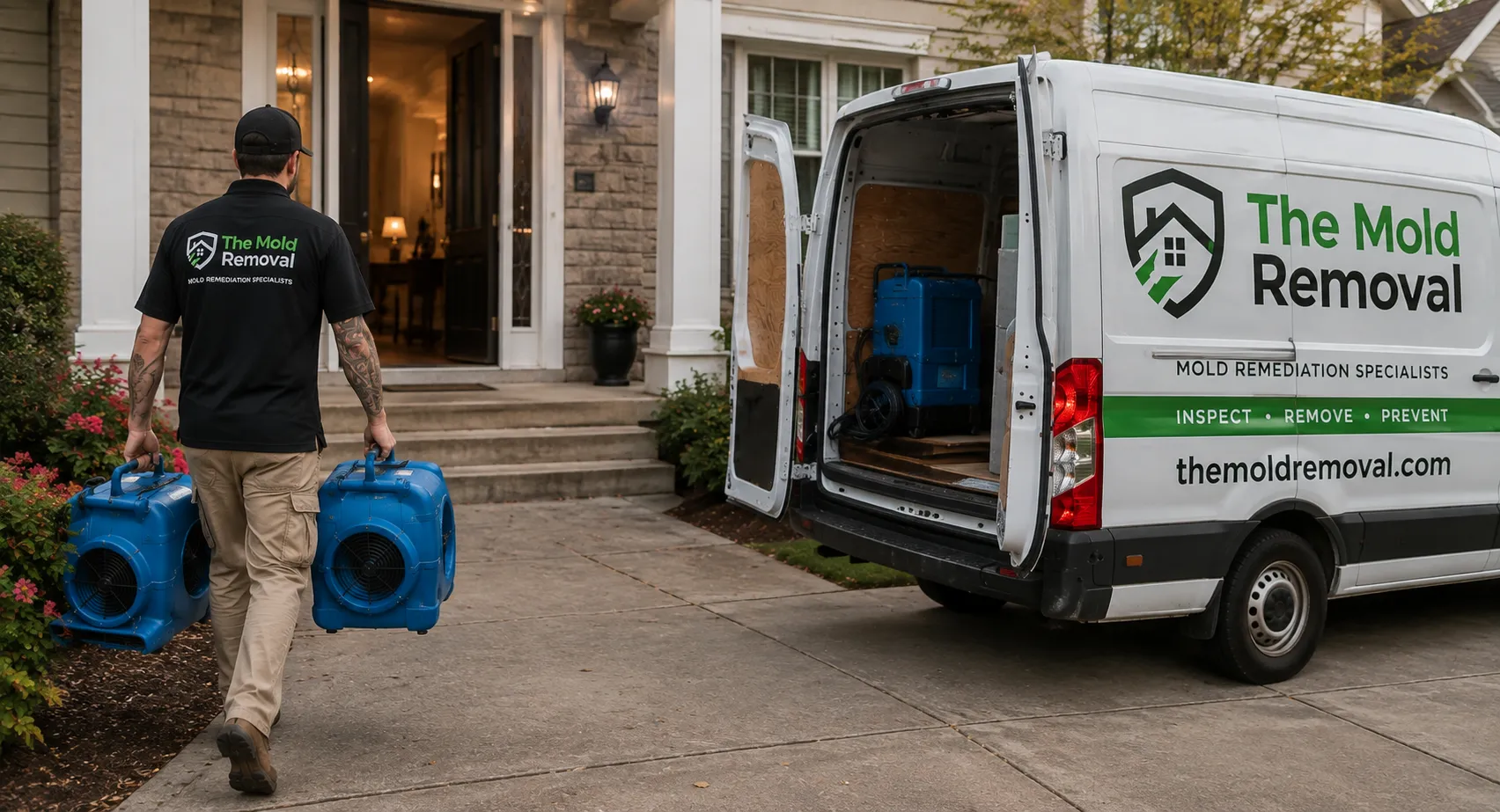
Containment, HEPA filtration, and antimicrobial treatment eliminate mold colonies at the source and prevent cross-contamination throughout the property. Mold remediation removes affected porous materials and corrects the moisture source that allowed growth. The work is done under containment with HEPA filtration so spores are not carried into unaffected rooms, and the area is cleared only once the underlying moisture problem has been resolved.
Independent local pros · containment before removal
Remediation is the step after the assessment, not before it. A local pro establishes how far the growth extends and what is feeding it, because removing what is visible while the moisture source is still running puts the same colony back in the same wall. Texas and several other states also set a square-footage point above which the work has to be done by a licensed remediator — the service note below covers where that line falls in this city.
Often needed alongside
- Mold Inspection & Testing
An assessor determines whether mold is present, identifies where it is growing, and measures how far it has spread — before any remediation quote is issued.
- Sewage & Contaminated Water Cleanup
Category 3 black-water losses are handled with full PPE, biohazard disposal, and professional disinfection to restore safe conditions.

Frequently asked questions
The street dried yesterday. Why is the crawl still wet after an April front?
Loess does not dry on a street's schedule. Wind-blown silt takes April in and then weeps it at the crawl for days, which is why a moisture meter can be up when the pavement looks fine. That is capillary water, not a new leak every morning. Ground cover, airflow, and patience with dehumidification match this soil better than another roof inspection after every front.
We are on the bluff, not in a bottom. Do the Wolf or Nonconnah still matter?
On the bluff, as a weep, not as a flood. The rivers set the table in the low ground; the bluff's problem is the silt itself. If you are on the edge where loess fill meets bottom clay, April can follow that contact and wet a crawl that feels 'up high.' A true bluff-top lot is a loess-wicking job. A bluff-edge lot can be both.
Four-fifths of the houses are from before 1990. What fails first in this silt?
The paper and the crawl details. Felt and pine in loess have been damp on and off for decades, and April is when the next split shows. A dry house on the block is often one that already got a soil cover and some vents, not one that missed a 54-inch year. The stock is old enough that the silt has had a full working life on the original materials.
These questions come from the Memphis page.