
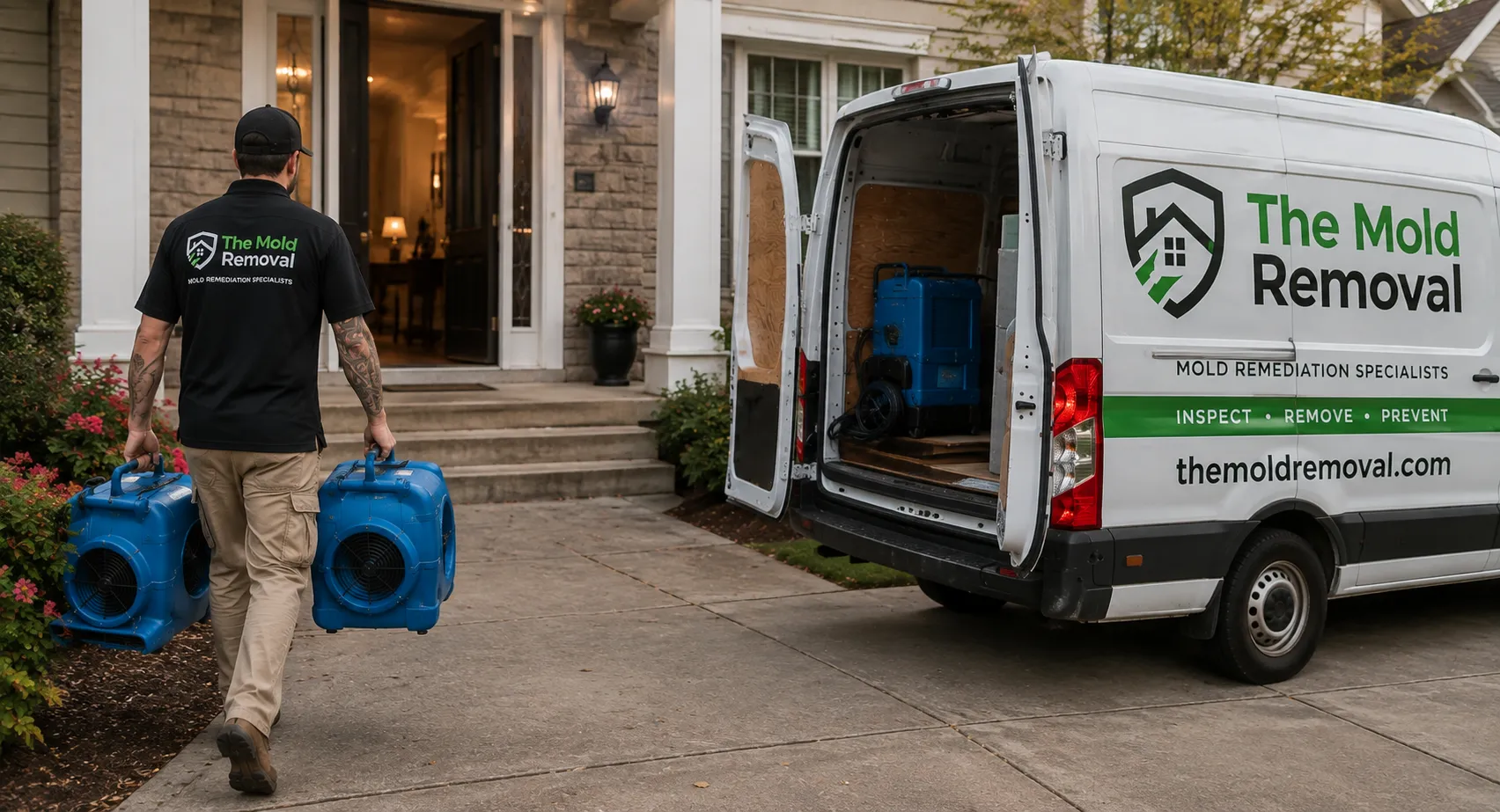
Water Extraction & Drying
Auburn AL Water Damage Restoration
Emergency extraction, structural drying, and storm or flood recovery — across Auburn and greater Alabama. Call now to connect with our local pro.
Independent local pros · no-obligation assessment
- 24/7/365 live response from local crews
- Local pros often target a 60-minute response
- Independent local technicians
- Damage documented for your insurance claim — photos, moisture logs, and scope
-
24/7 emergency response
Water emergencies answered around the clock, every day of the year.
-
No lead form
One call, quoted by the pro who visits. Your details are not sold on.
- 24/7/365 live response from local crews
- Local pros often target a 60-minute response
- Independent local technicians
- Damage documented for your insurance claim — photos, moisture logs, and scope
One number reaches independent water damage specialists who work their own region, in every state.
Call (833) 243-4415
Water Damage Restoration - Done in the Right Order
Each stage is performed by the independent restoration contractor the call reaches; IICRC S500 is the industry standard that describes them.
-
Step 1: Extraction
Standing water is pumped out before it can travel further into drywall, subfloor, and framing. Speed here changes the scope of everything that follows.
-
Step 2: Moisture mapping
Meters read the material, not the air, so the wet edge is found even when the surface already looks dry. The map sets what has to come out and what can stay.
-
Step 3: Drying
Air movers and dehumidifiers run as a closed system until readings inside the material reach a dry standard, not until a calendar date arrives.
-
Step 4: Verification
The same points are re-read before equipment comes out. Rebuild starts only after the structure, not just the surface, is confirmed dry.
What drives water into buildings in Auburn
The Auburn area our local pros cover for water damage restoration takes in Granite Hills, Shelton Woods, and Pickwood. An east Alabama university city on the Piedmont red clay edge, where two thirds of the housing has gone up since 1990 and March is the wettest month.
Housing stock
The median home in Auburn dates to 2001, and 33.3 percent of the stock was already standing when the 1990s began. Rapid growth means much of the stock is recent, on slabs and crawl spaces across rolling clay, alongside a large rental inventory serving the university. The rental share matters for the same reason it does in any college town: buildings stand empty on a predictable calendar, and a failure in an empty building runs until someone happens to arrive.
Climate and water risk
March is the wettest month here at 5.49 inches, part of an annual 54.41 inches in the 1991–2020 normals from AUBURN 0.6 ENE, 1.6 miles off. March brings the wettest month, which places the peak in a winter-weighted pattern when evaporation is low and the ground never recovers between systems. Red clay sheds rather than absorbs, so multi-day frontal rain concentrates downslope and keeps the soil at capacity for weeks.
Common water damage problems in Auburn
- A winter-weighted March peak, with no evaporation to recover the soil between systems
- Red clay shedding multi-day frontal rain downslope onto whatever sits below
- Rental housing empty on a predictable academic calendar, so failures run undiscovered
- Rapid development changing runoff paths on lots that were graded a generation earlier
Water Damage Restoration services in Auburn
Start with standing water, a wet basement, or the storm that just came through. The Water Damage connects you with local Auburn pros for extraction and drying.
- 24/7 Emergency
Emergency Water Extraction
Standing water is pumped and extracted around the clock to prevent absorption into drywall, subfloor, and framing. Local professionals often target a 60-minute response window, though actual timing varies with area and workload.
Learn more - Fast Response
Structural Drying & Dehumidification
Commercial dehumidifiers and air movers remove moisture from the structure, with daily readings logged from the material itself for claim documentation.
Learn more - 24/7 Emergency
Storm & Flood Recovery
From wind-driven rain to flash flooding, local professionals secure the property, extract standing water, dry the structure, and document all damage for the claim. Interior and exterior stabilization is handled to prevent secondary losses.
Learn more - Fast Response
Groundwater & Basement Intrusion
Basement seepage, failed sumps, and hydrostatic pressure against the foundation are extracted and dried, and the path from the ground is identified so the loss does not repeat.
Learn more - Scheduled
Ceiling & Roof Leak Water Damage
Water-stained or sagging ceilings are professionally dried, treated, and restored after roof failures, plumbing leaks, or upstairs overflows. Moisture is removed from the structure, damaged material is safely taken out, and the area is stabilized.
Learn more
Areas covered around Auburn
The state index lists every Alabama city on the site.
Frequently asked questions
Why is late winter our problem rather than summer storms?
Because the ground never gets a break. March systems deliver rain over two or three days at a time of year with little evaporation, and red clay sheds most of what falls anyway. The soil sits at capacity from midwinter into spring, so each new system arrives with nowhere to put the water. A summer thunderstorm drops more in an hour and the ground and sun clear it within a day.
We rent to students and the house is empty over the summer.
Empty in an Alabama summer is a different risk from empty in a northern winter, and it still deserves attention. Air conditioning left off in a humid climate lets indoor humidity climb high enough to support mold growth on interior surfaces, and a slow supply leak runs for weeks unnoticed. Leaving the system set to a moderate temperature, and having someone walk the property monthly, addresses the great majority of what goes wrong.
Does new construction handle the clay better?
It handles the lot better and the clay behaves the same. Modern grading and footing drains manage what falls on the property competently. The soil still shrinks, swells, and sheds, and the water still concentrates downslope. Where newer houses get into trouble here is when landscaping added after handover interrupts the drainage the lot was designed with, which is usually visible by comparing the current lot to the original grading plan.
Auburn, AL
Standing water in Auburn?
One free call connects you to a local pro who can extract and dry it — no obligation, no lead form.
Independent local pros · no-obligation assessment
Describe where the water is and you will be connected with an independent pro covering your area. There is no form to fill in and no callback queue.
- Where the water is coming from, if you can tell — a supply line, a roof, a drain, a creek, or the ground
- Whether it is still running, standing, or already soaking into floors and walls
- Whether the property is residential or commercial
- Your city, so the call routes to a contractor covering it