
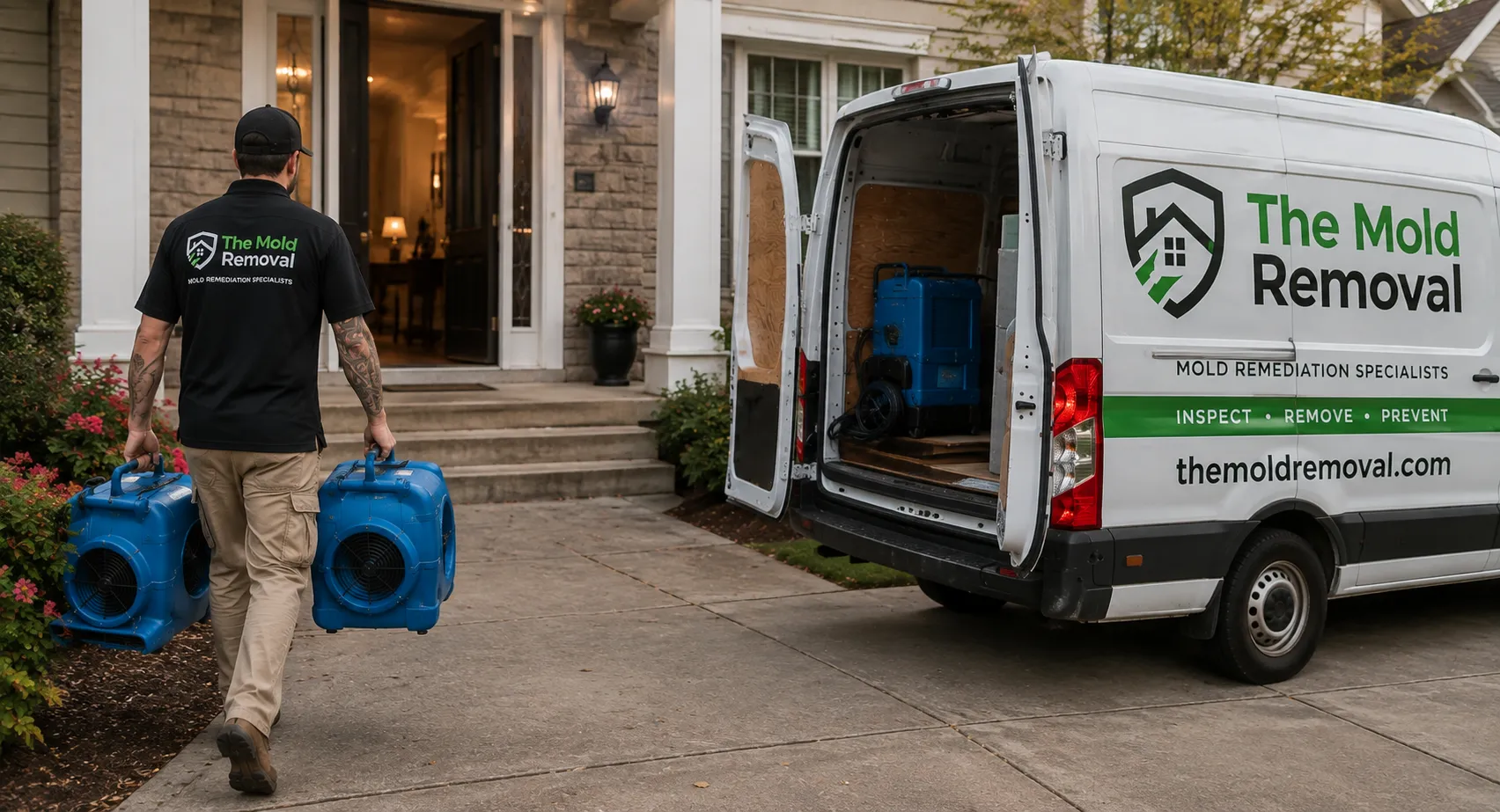
Water Extraction & Drying
Hoover AL Water Damage Restoration
Emergency extraction, structural drying, and storm or flood recovery — across Hoover and greater Alabama. Call now to connect with our local pro.
Independent local pros · no-obligation assessment
- 24/7/365 live response from local crews
- Local pros often target a 60-minute response
- Independent local technicians
- Damage documented for your insurance claim — photos, moisture logs, and scope
-
24/7 emergency response
Water emergencies answered around the clock, every day of the year.
-
No lead form
One call, quoted by the pro who visits. Your details are not sold on.
- 24/7/365 live response from local crews
- Local pros often target a 60-minute response
- Independent local technicians
- Damage documented for your insurance claim — photos, moisture logs, and scope
One number reaches independent water damage specialists who work their own region, in every state.
Call (833) 243-4415
Water Damage Restoration - Done in the Right Order
Each stage is performed by the independent restoration contractor the call reaches; IICRC S500 is the industry standard that describes them.
-
Step 1: Extraction
Standing water is pumped out before it can travel further into drywall, subfloor, and framing. Speed here changes the scope of everything that follows.
-
Step 2: Moisture mapping
Meters read the material, not the air, so the wet edge is found even when the surface already looks dry. The map sets what has to come out and what can stay.
-
Step 3: Drying
Air movers and dehumidifiers run as a closed system until readings inside the material reach a dry standard, not until a calendar date arrives.
-
Step 4: Verification
The same points are re-read before equipment comes out. Rebuild starts only after the structure, not just the surface, is confirmed dry.
What drives water into buildings in Hoover
The Hoover area our local pros cover for water damage restoration takes in Montreat and Shades Acres. A Jefferson County city spread across ridges and valleys where the ridges are sandstone and the valleys are limestone, so two properties in one city sit on entirely different ground.
Housing stock
The median home in Hoover dates to 1994, and 40.6 percent of the stock was already standing when the 1990s began. Three fifths postdates 1990, with basements and crawl spaces cut into whichever material a given lot happens to sit on. Advice matched to a ridge property is frequently wrong for a valley one.
Climate and water risk
The nearest long-term record — HOOVER 1.9 NW, 2.3 miles out — puts the annual normal at 58.95 inches, with February heaviest at 6.03. February leads at over six inches within a fifty-nine inch year, so the wettest months are winter ones. That is when nothing is growing and the ground has the least room.
Common water damage problems in Hoover
- Sandstone ridges and limestone valleys within one city, behaving in opposite ways
- A winter rainfall peak arriving when the ground is already at capacity
- Limestone in the valleys, carrying water along routes the surface does not reveal
- Steep wooded slopes delivering runoff onto the valley floors quickly
Water Damage Restoration services in Hoover
Start with standing water, a wet basement, or the storm that just came through. The Water Damage connects you with local Hoover pros for extraction and drying.
- 24/7 Emergency
Emergency Water Extraction
Standing water is pumped and extracted around the clock to prevent absorption into drywall, subfloor, and framing. Local professionals often target a 60-minute response window, though actual timing varies with area and workload.
Learn more - Fast Response
Structural Drying & Dehumidification
Commercial dehumidifiers and air movers remove moisture from the structure, with daily readings logged from the material itself for claim documentation.
Learn more - 24/7 Emergency
Storm & Flood Recovery
From wind-driven rain to flash flooding, local professionals secure the property, extract standing water, dry the structure, and document all damage for the claim. Interior and exterior stabilization is handled to prevent secondary losses.
Learn more - Fast Response
Groundwater & Basement Intrusion
Basement seepage, failed sumps, and hydrostatic pressure against the foundation are extracted and dried, and the path from the ground is identified so the loss does not repeat.
Learn more - Scheduled
Ceiling & Roof Leak Water Damage
Water-stained or sagging ceilings are professionally dried, treated, and restored after roof failures, plumbing leaks, or upstairs overflows. Moisture is removed from the structure, damaged material is safely taken out, and the area is stabilized.
Learn more
Areas covered around Hoover
Not the right city? Browse all Alabama directories.
Frequently asked questions
Why did the same work not help here?
Because the ground under this city is not one thing. The ridges are sandstone, where water travels down through fractures and the problem is surface flow off the slope; the valleys are limestone, where it moves along openings in the rock and arrives from beyond the boundary. Those are different problems. Knowing which of the two a lot is on comes before deciding what to spend money on.
Nothing appeared during the storm and plenty appeared afterward.
In the limestone valleys that timing is the clearest evidence there is. Water works down through the soil, meets stone it cannot pass, and then follows the top of that rock until something interrupts it, which takes hours and can bring it from beyond a property line. Anything arriving across the surface turns up during the storm instead. That gap points the work below ground rather than at the gutters.
Why is February the difficult month?
Because of what the ground is holding rather than what falls. In winter nothing is growing to draw water out, the soil stays full, and the heaviest monthly totals of the year land on it. The same rain in July meets ground with room and vegetation working on it. Seasonal timing explains more about a wet basement here than storm size does.
Hoover, AL
Standing water in Hoover?
One free call connects you to a local pro who can extract and dry it — no obligation, no lead form.
Independent local pros · no-obligation assessment
Describe where the water is and you will be connected with an independent pro covering your area. There is no form to fill in and no callback queue.
- Where the water is coming from, if you can tell — a supply line, a roof, a drain, a creek, or the ground
- Whether it is still running, standing, or already soaking into floors and walls
- Whether the property is residential or commercial
- Your city, so the call routes to a contractor covering it