
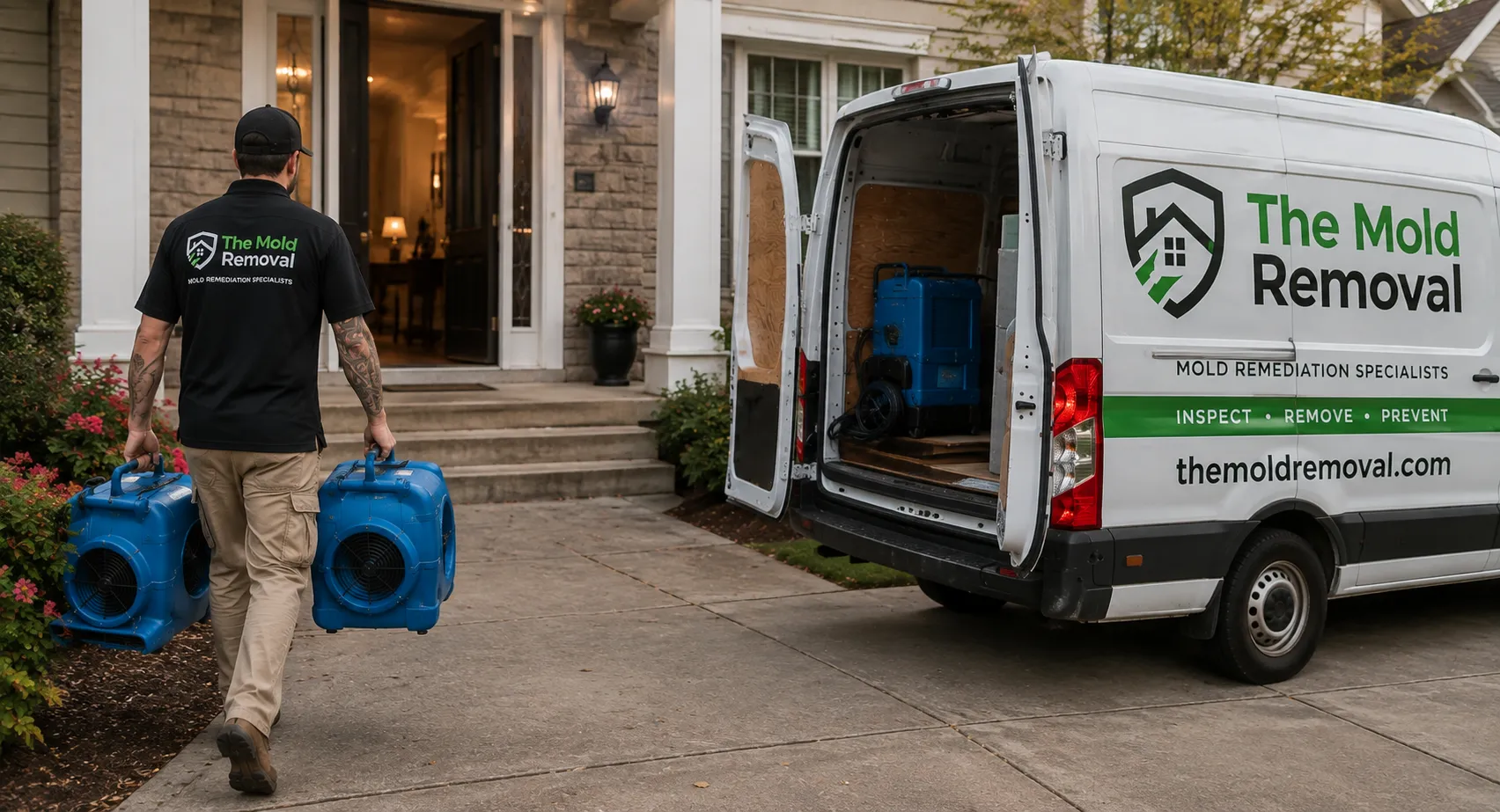
Water Extraction & Drying
Honolulu HI Water Damage Restoration
Emergency extraction, structural drying, and storm or flood recovery — across Honolulu and greater Hawaii. Call now to connect with our local pro.
Independent local pros · no-obligation assessment
- 24/7/365 live response from local crews
- Local pros often target a 60-minute response
- Independent local technicians
- Damage documented for your insurance claim — photos, moisture logs, and scope
-
24/7 emergency response
Water emergencies answered around the clock, every day of the year.
-
No lead form
One call, quoted by the pro who visits. Your details are not sold on.
- 24/7/365 live response from local crews
- Local pros often target a 60-minute response
- Independent local technicians
- Damage documented for your insurance claim — photos, moisture logs, and scope
One number reaches independent water damage specialists who work their own region, in every state.
Call (833) 243-4415
Water Damage Restoration - Done in the Right Order
Each stage is performed by the independent restoration contractor the call reaches; IICRC S500 is the industry standard that describes them.
-
Step 1: Extraction
Standing water is pumped out before it can travel further into drywall, subfloor, and framing. Speed here changes the scope of everything that follows.
-
Step 2: Moisture mapping
Meters read the material, not the air, so the wet edge is found even when the surface already looks dry. The map sets what has to come out and what can stay.
-
Step 3: Drying
Air movers and dehumidifiers run as a closed system until readings inside the material reach a dry standard, not until a calendar date arrives.
-
Step 4: Verification
The same points are re-read before equipment comes out. Rebuild starts only after the structure, not just the surface, is confirmed dry.
What drives water into buildings in Honolulu
Water damage restoration in Honolulu reaches out through Pacific Heights, Liliha, and Nuʻuanu, and our local pros handle all of it. Leeward Honolulu lives in the Koolau rain shadow, so most years stay dry until a March Kona storm hits assemblies that have been baking for months.
Housing stock
Of roughly 157,303 housing units, about 119,461 were finished in 1989 or earlier, which puts the median construction year at 1974. Single-wall plantation cottages have no cavity, so a leak tracks along the studs and into rooms in minutes, while high-rises share slabs and pipe chases that carry a unit leak down several floors before anyone sees a stain. Salt air opens flashings long before the covering itself looks worn.
Climate and water risk
The nearest long-term record — PUNCHBOWL CRATER 709, 1 miles out — puts the annual normal at 31.23 inches, with March heaviest at 3.97. March Kona storms arrive against the trades and dump on the dry side. Roofing and sealants have shrunk through the trade-wind months, so those few wet days find openings that were not there in November, and salt-corroded flashings are the usual entry.
Common water damage problems in Honolulu
- Kona storms finding flashings that opened and rusted through the long dry season
- Single-wall cottages tracking a leak along framing into rooms far from the hole
- High-rise supply and waste failures cascading down stacked slabs and chases
- Salt corrosion of window tracks and drip edges so wind-driven rain enters at the opening, not the field of the roof
Water Damage Restoration services in Honolulu
Start with standing water, a wet basement, or the storm that just came through. The Water Damage connects you with local Honolulu pros for extraction and drying.
- 24/7 Emergency
Emergency Water Extraction
Standing water is pumped and extracted around the clock to prevent absorption into drywall, subfloor, and framing. Local professionals often target a 60-minute response window, though actual timing varies with area and workload.
Learn more - Fast Response
Structural Drying & Dehumidification
Commercial dehumidifiers and air movers remove moisture from the structure, with daily readings logged from the material itself for claim documentation.
Learn more - 24/7 Emergency
Storm & Flood Recovery
From wind-driven rain to flash flooding, local professionals secure the property, extract standing water, dry the structure, and document all damage for the claim. Interior and exterior stabilization is handled to prevent secondary losses.
Learn more - Fast Response
Groundwater & Basement Intrusion
Basement seepage, failed sumps, and hydrostatic pressure against the foundation are extracted and dried, and the path from the ground is identified so the loss does not repeat.
Learn more - Scheduled
Ceiling & Roof Leak Water Damage
Water-stained or sagging ceilings are professionally dried, treated, and restored after roof failures, plumbing leaks, or upstairs overflows. Moisture is removed from the structure, damaged material is safely taken out, and the area is stabilized.
Learn more
Areas covered around Honolulu
Elsewhere in Hawaii: every Water Damage Restoration directory in Hawaii.
Frequently asked questions
This side of the island is the dry side. Why would a March storm wet the house at all?
Because the rain arrives in bursts after long dry stretches. Flashings and sealants shrink and crack through the trade-wind months, and salt has already thinned the metal. The first Kona storm of March finds those openings all at once. A wet climate would have kept the joints swollen; a dry one lets them open and then soaks them. Extraction at the wet rooms is the start; the source is usually a corroded detail, not a failed field of shingles.
A stain showed up two floors below a known leak. How is that possible?
In a tower the slab is a highway. Water follows the top of the concrete, drops at a penetration, and reappears wherever a finish is weakest, often a floor or two down and several units over. The stained condo is the arrival, not the origin. Map upward, not just the stained ceiling. Shut the line in the unit above, then extract and dry each wet floor — that is how stacked Honolulu housing fails.
The cottage is single-wall. Does a small roof leak stay small?
It spreads faster than it would in a cavity wall. There is no space to contain the water, so it runs along the framing and appears rooms away within minutes. Drying is then a whole-wall problem. Pull the wet finish, extract any standing water at the floor, and dry the studs from both sides. The stain you can see is rarely the full extent of what is wet in this construction.
Honolulu, HI
Standing water in Honolulu?
One free call connects you to a local pro who can extract and dry it — no obligation, no lead form.
Independent local pros · no-obligation assessment
Describe where the water is and you will be connected with an independent pro covering your area. There is no form to fill in and no callback queue.
- Where the water is coming from, if you can tell — a supply line, a roof, a drain, a creek, or the ground
- Whether it is still running, standing, or already soaking into floors and walls
- Whether the property is residential or commercial
- Your city, so the call routes to a contractor covering it