
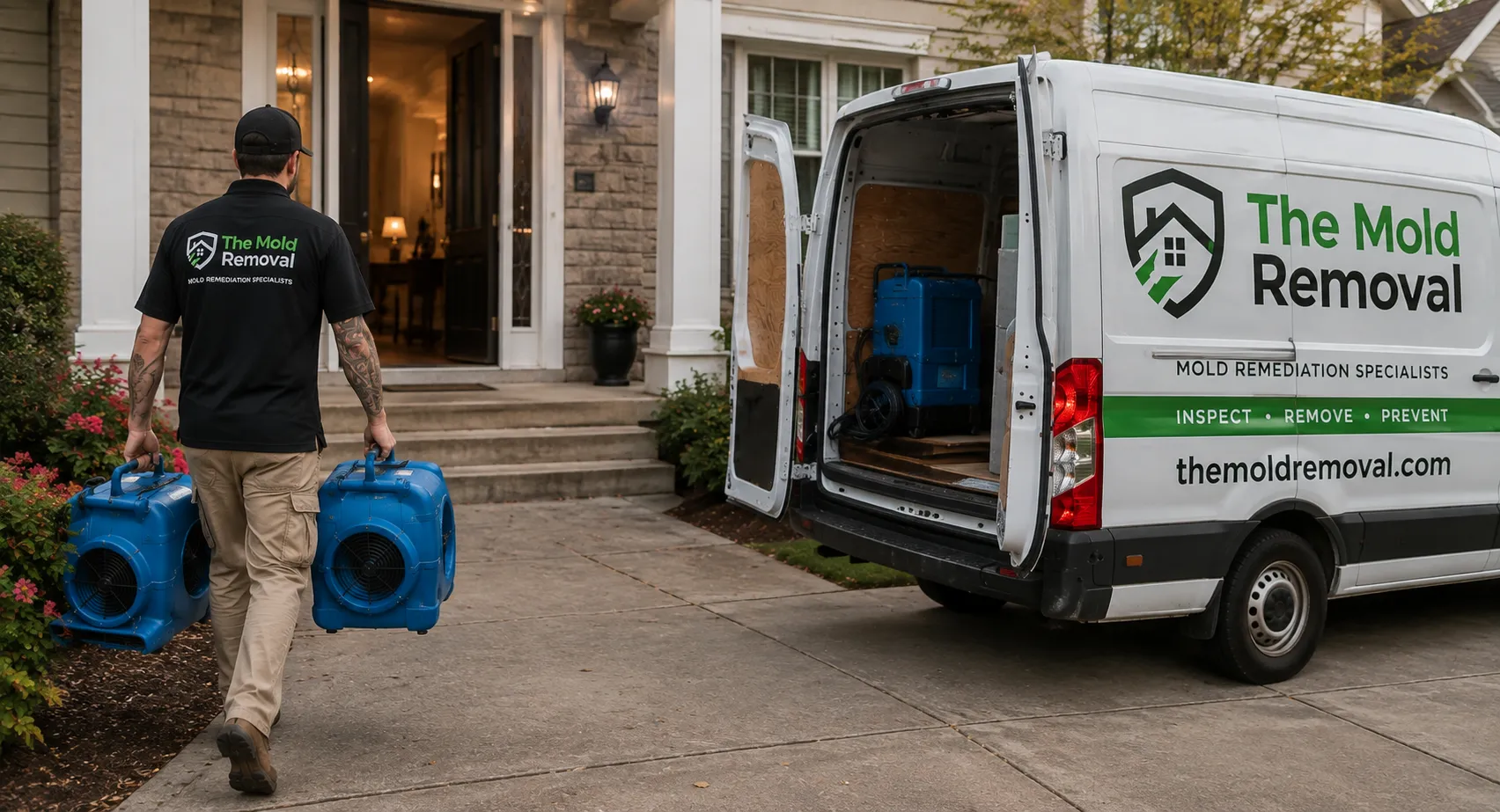
Water Extraction & Drying
Clive IA Water Damage Restoration
Emergency extraction, structural drying, and storm or flood recovery — across Clive and greater Iowa. Call now to connect with our local pro.
Independent local pros · no-obligation assessment
- 24/7/365 live response from local crews
- Local pros often target a 60-minute response
- Independent local technicians
- Damage documented for your insurance claim — photos, moisture logs, and scope
-
24/7 emergency response
Water emergencies answered around the clock, every day of the year.
-
No lead form
One call, quoted by the pro who visits. Your details are not sold on.
- 24/7/365 live response from local crews
- Local pros often target a 60-minute response
- Independent local technicians
- Damage documented for your insurance claim — photos, moisture logs, and scope
One number reaches independent water damage specialists who work their own region, in every state.
Call (833) 243-4415
Water Damage Restoration - Done in the Right Order
Each stage is performed by the independent restoration contractor the call reaches; IICRC S500 is the industry standard that describes them.
-
Step 1: Extraction
Standing water is pumped out before it can travel further into drywall, subfloor, and framing. Speed here changes the scope of everything that follows.
-
Step 2: Moisture mapping
Meters read the material, not the air, so the wet edge is found even when the surface already looks dry. The map sets what has to come out and what can stay.
-
Step 3: Drying
Air movers and dehumidifiers run as a closed system until readings inside the material reach a dry standard, not until a calendar date arrives.
-
Step 4: Verification
The same points are re-read before equipment comes out. Rebuild starts only after the structure, not just the surface, is confirmed dry.
What drives water into buildings in Clive
Water damage restoration in Clive reaches every part of the city, and our local pros handle all of it. A Des Moines suburb strung along the Walnut Creek greenbelt, where nearly two thirds of the housing has gone up since 1990 and June brings over five inches.
Housing stock
About a third of the housing here predates 1990 — 36.5 percent of it — and construction settles around a median year of 1995. Most of the stock is newer construction with full basements, drain tile, and sumps included from the start, built along and above a creek corridor. The greenbelt is an amenity and a floodplain at once, and proximity to it is the single best predictor of how a given lot behaves in a June storm.
Climate and water risk
Clive averages 37.26 inches of precipitation a year on the 1991–2020 normals, taken at CLIVE 1.2 E 2.7 miles away, with June the wettest month at 5.39 inches. June brings the heaviest rain onto loess and till that absorb readily and then hold, in a corridor where a creek drains a substantially developed watershed. Walnut Creek responds quickly to intense rain, and the flat ground alongside it is where the water spreads when it does.
Common water damage problems in Clive
- A creek corridor that is both greenbelt and floodplain, with development close alongside
- A developed watershed producing a fast creek response to intense June cells
- Loess that absorbs readily then holds water and loses strength when saturated
- Trail culverts and creek crossings through the greenbelt constricting flow during a fast rise
Water Damage Restoration services in Clive
Start with standing water, a wet basement, or the storm that just came through. The Water Damage connects you with local Clive pros for extraction and drying.
- 24/7 Emergency
Emergency Water Extraction
Standing water is pumped and extracted around the clock to prevent absorption into drywall, subfloor, and framing. Local professionals often target a 60-minute response window, though actual timing varies with area and workload.
Learn more - Fast Response
Structural Drying & Dehumidification
Commercial dehumidifiers and air movers remove moisture from the structure, with daily readings logged from the material itself for claim documentation.
Learn more - 24/7 Emergency
Storm & Flood Recovery
From wind-driven rain to flash flooding, local professionals secure the property, extract standing water, dry the structure, and document all damage for the claim. Interior and exterior stabilization is handled to prevent secondary losses.
Learn more - Fast Response
Groundwater & Basement Intrusion
Basement seepage, failed sumps, and hydrostatic pressure against the foundation are extracted and dried, and the path from the ground is identified so the loss does not repeat.
Learn more - Scheduled
Ceiling & Roof Leak Water Damage
Water-stained or sagging ceilings are professionally dried, treated, and restored after roof failures, plumbing leaks, or upstairs overflows. Moisture is removed from the structure, damaged material is safely taken out, and the area is stabilized.
Learn more
Iowa cities covered are listed on the state page.
Frequently asked questions
How close to the greenbelt is too close?
That is answered by elevation rather than by distance. The greenbelt is a floodplain doing its job, and what matters is where your finished floor sits relative to where the water spreads in a large event. Two houses the same distance from the trail can be very differently exposed. Knowing your own elevation, and what the creek has done in past large storms, predicts far more than proximity does.
Our sump has run for three days straight after one storm.
That is normal here and it is worth checking the discharge anyway. Loess absorbs a great deal and then releases it slowly, so the tile keeps feeding the pit long after the rain stops. What is not normal is a pump that never rests even in dry weather, which usually means the discharge line ends too close to the house and the water is circulating back into the same ground the tile drains.
Is loess soil something to worry about?
It is something to understand rather than worry about. It takes water in well, which is good, and it loses strength when saturated, which means backfill against a foundation can settle after a long wet spell and open a channel down the wall. Checking and topping up settled backfill after a wet year is a specific and useful habit here in a way it would not be on stable clay.
Clive, IA
Standing water in Clive?
One free call connects you to a local pro who can extract and dry it — no obligation, no lead form.
Independent local pros · no-obligation assessment
Describe where the water is and you will be connected with an independent pro covering your area. There is no form to fill in and no callback queue.
- Where the water is coming from, if you can tell — a supply line, a roof, a drain, a creek, or the ground
- Whether it is still running, standing, or already soaking into floors and walls
- Whether the property is residential or commercial
- Your city, so the call routes to a contractor covering it