
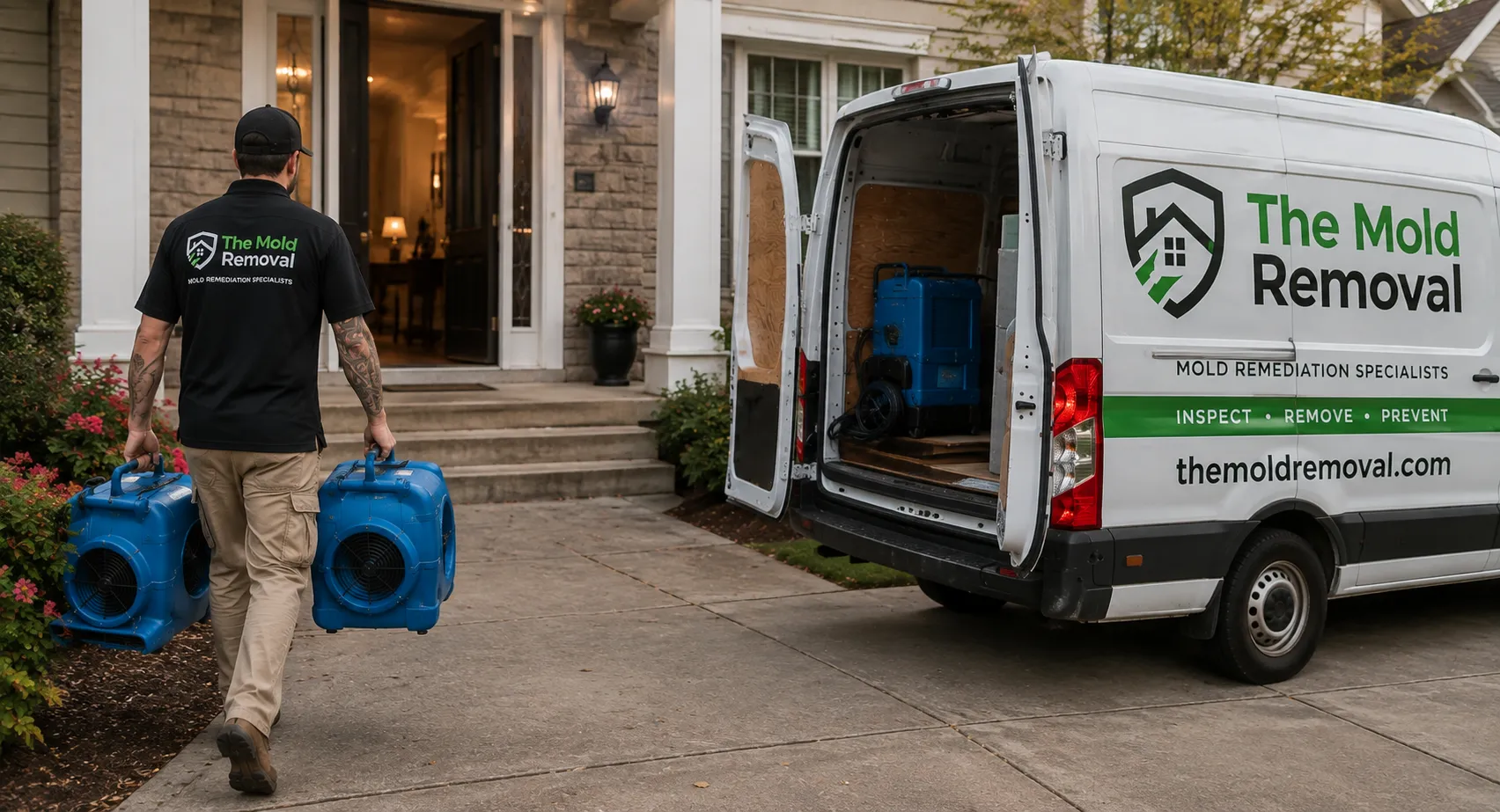
Water Extraction & Drying
Farmington NM Water Damage Restoration
Emergency extraction, structural drying, and storm or flood recovery — across Farmington and greater New Mexico. Call now to connect with our local pro.
Independent local pros · no-obligation assessment
- 24/7/365 live response from local crews
- Local pros often target a 60-minute response
- Independent local technicians
- Damage documented for your insurance claim — photos, moisture logs, and scope
-
24/7 emergency response
Water emergencies answered around the clock, every day of the year.
-
No lead form
One call, quoted by the pro who visits. Your details are not sold on.
- 24/7/365 live response from local crews
- Local pros often target a 60-minute response
- Independent local technicians
- Damage documented for your insurance claim — photos, moisture logs, and scope
One number reaches independent water damage specialists who work their own region, in every state.
Call (833) 243-4415
Water Damage Restoration - Done in the Right Order
Each stage is performed by the independent restoration contractor the call reaches; IICRC S500 is the industry standard that describes them.
-
Step 1: Extraction
Standing water is pumped out before it can travel further into drywall, subfloor, and framing. Speed here changes the scope of everything that follows.
-
Step 2: Moisture mapping
Meters read the material, not the air, so the wet edge is found even when the surface already looks dry. The map sets what has to come out and what can stay.
-
Step 3: Drying
Air movers and dehumidifiers run as a closed system until readings inside the material reach a dry standard, not until a calendar date arrives.
-
Step 4: Verification
The same points are re-read before equipment comes out. Rebuild starts only after the structure, not just the surface, is confirmed dry.
What drives water into buildings in Farmington
The Farmington area our local pros cover for water damage restoration takes in the whole city and the streets around it. A San Juan Basin city in the high desert of northwest New Mexico, where under eight inches of precipitation fall in a year on shale and clay badlands cut by arroyos.
Housing stock
Only 36.2 percent of the housing here went up after 1989; the median construction year is 1982. Nearly two thirds of the housing predates 1990, mostly single-story on slabs across ground where shale-derived clays swell and shrink with what little moisture they get. The soil is the main structural variable here, because a landscape that is dry almost all the time reacts sharply when it does get wet.
Climate and water risk
September alone accounts for 13.7 percent of the 7.76 inches this area sees in an average year, on 1991–2020 normals recorded 2.8 miles away at FARMINGTON RGNL AP. September is the wettest month at barely an inch, delivered as monsoon cells onto ground that absorbs almost nothing. Arroyos that are dry for eleven months carry substantial flow within minutes of a storm, and they run through and past development that was built when they were dry.
Common water damage problems in Farmington
- Arroyos dry most of the year carrying substantial flow within minutes of a monsoon cell
- Shale-derived clays that swell sharply on the rare occasions they get wet
- Ground that absorbs almost nothing, converting brief storms into fast surface flow
- Slab-on-grade construction with under-floor plumbing that surfaces late in dry soil
Water Damage Restoration services in Farmington
Start with standing water, a wet basement, or the storm that just came through. The Water Damage connects you with local Farmington pros for extraction and drying.
- 24/7 Emergency
Emergency Water Extraction
Standing water is pumped and extracted around the clock to prevent absorption into drywall, subfloor, and framing. Local professionals often target a 60-minute response window, though actual timing varies with area and workload.
Learn more - Fast Response
Structural Drying & Dehumidification
Commercial dehumidifiers and air movers remove moisture from the structure, with daily readings logged from the material itself for claim documentation.
Learn more - 24/7 Emergency
Storm & Flood Recovery
From wind-driven rain to flash flooding, local professionals secure the property, extract standing water, dry the structure, and document all damage for the claim. Interior and exterior stabilization is handled to prevent secondary losses.
Learn more - Fast Response
Groundwater & Basement Intrusion
Basement seepage, failed sumps, and hydrostatic pressure against the foundation are extracted and dried, and the path from the ground is identified so the loss does not repeat.
Learn more - Scheduled
Ceiling & Roof Leak Water Damage
Water-stained or sagging ceilings are professionally dried, treated, and restored after roof failures, plumbing leaks, or upstairs overflows. Moisture is removed from the structure, damaged material is safely taken out, and the area is stabilized.
Learn more
Areas covered around Farmington
The state index lists every New Mexico city on the site.
Frequently asked questions
The arroyo behind the house is dry all year. Is it a risk?
It is precisely because it is dry all year. An arroyo is a channel, and a monsoon cell over its catchment fills it within minutes with flow that can move debris and undercut banks. Because it looks like a dry gully for eleven months, people build, fence, and store things close to it. Treating it as a watercourse rather than as a landscape feature is the correct posture, particularly for anything downstream of a burn scar.
Doors have started sticking and there are cracks. Is that water related?
On these soils it often is. Shale-derived clay swells when it gets wet and shrinks as it dries, and in a climate this dry the swings are sharp when moisture does arrive. A leaking supply line under a slab, or a downspout discharging beside the foundation, wets soil that is normally bone dry and drives movement. Checking for a plumbing loss before commissioning foundation work is the order that saves money.
How would we know about a slab leak in soil this dry?
Usually from the meter rather than from anything visible. Water lost under a slab disappears into dry subgrade and may never surface, so there is no puddle and often no damp spot. A rising bill, a warm patch on the floor, or a water heater running more than usual are the practical signals. A pressure test confirms it and a locate finds it before any concrete is opened.
Farmington, NM
Standing water in Farmington?
One free call connects you to a local pro who can extract and dry it — no obligation, no lead form.
Independent local pros · no-obligation assessment
Describe where the water is and you will be connected with an independent pro covering your area. There is no form to fill in and no callback queue.
- Where the water is coming from, if you can tell — a supply line, a roof, a drain, a creek, or the ground
- Whether it is still running, standing, or already soaking into floors and walls
- Whether the property is residential or commercial
- Your city, so the call routes to a contractor covering it