
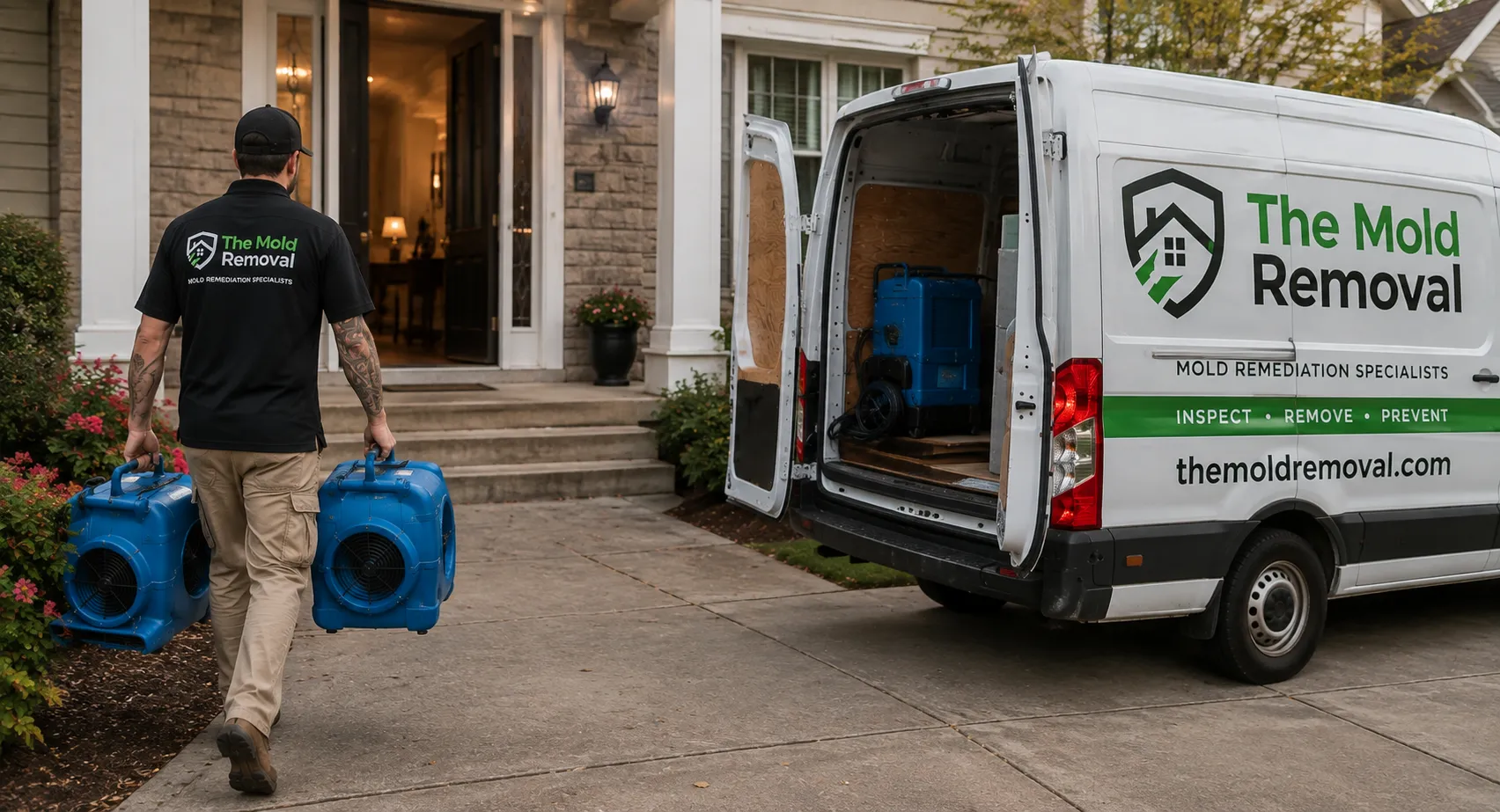
Water Extraction & Drying
Powell OH Water Damage Restoration
Emergency extraction, structural drying, and storm or flood recovery — across Powell and greater Ohio. Call now to connect with our local pro.
Independent local pros · no-obligation assessment
- 24/7/365 live response from local crews
- Local pros often target a 60-minute response
- Independent local technicians
- Damage documented for your insurance claim — photos, moisture logs, and scope
-
24/7 emergency response
Water emergencies answered around the clock, every day of the year.
-
No lead form
One call, quoted by the pro who visits. Your details are not sold on.
- 24/7/365 live response from local crews
- Local pros often target a 60-minute response
- Independent local technicians
- Damage documented for your insurance claim — photos, moisture logs, and scope
One number reaches independent water damage specialists who work their own region, in every state.
Call (833) 243-4415
Water Damage Restoration - Done in the Right Order
Each stage is performed by the independent restoration contractor the call reaches; IICRC S500 is the industry standard that describes them.
-
Step 1: Extraction
Standing water is pumped out before it can travel further into drywall, subfloor, and framing. Speed here changes the scope of everything that follows.
-
Step 2: Moisture mapping
Meters read the material, not the air, so the wet edge is found even when the surface already looks dry. The map sets what has to come out and what can stay.
-
Step 3: Drying
Air movers and dehumidifiers run as a closed system until readings inside the material reach a dry standard, not until a calendar date arrives.
-
Step 4: Verification
The same points are re-read before equipment comes out. Rebuild starts only after the structure, not just the surface, is confirmed dry.
What drives water into buildings in Powell
The Powell area our local pros cover for water damage restoration takes in the whole city and the streets around it. A Delaware County suburb above the Scioto and its reservoir, where four fifths of the housing has gone up since 1990 on shallow soil over limestone.
Housing stock
Under a third of the housing here predates 1990 — 20.6 percent of it — and construction settles around a median year of 2001. Almost all of it is recent construction with full basements, drain tile, and sumps as standard, cut into ground where limestone lies close beneath a thin soil cover. Excavating a basement here often means removing rock, leaving backfill that is more permeable than the ground it replaced.
Climate and water risk
June is the wettest month here at 4.61 inches, part of an annual 42.1 inches in the 1991–2020 normals from DUBLIN 3.2 ENE, 2.6 miles off. June brings the wettest month to thin soil over limestone that stores very little. Water passes through the cover, reaches rock, and then moves along its surface, which is why a basement can take water while the yard above shows nothing and the neighbors stay dry.
Common water damage problems in Powell
- Thin soil over limestone with almost no storage, so water travels along the rock surface
- Basement excavations in rock with permeable backfill that collects water against the wall
- Reservoir-influenced groundwater levels for properties nearer the water
- Single-pump, single-discharge systems as the only defense in newer construction
Water Damage Restoration services in Powell
Start with standing water, a wet basement, or the storm that just came through. The Water Damage connects you with local Powell pros for extraction and drying.
- 24/7 Emergency
Emergency Water Extraction
Standing water is pumped and extracted around the clock to prevent absorption into drywall, subfloor, and framing. Local professionals often target a 60-minute response window, though actual timing varies with area and workload.
Learn more - Fast Response
Structural Drying & Dehumidification
Commercial dehumidifiers and air movers remove moisture from the structure, with daily readings logged from the material itself for claim documentation.
Learn more - 24/7 Emergency
Storm & Flood Recovery
From wind-driven rain to flash flooding, local professionals secure the property, extract standing water, dry the structure, and document all damage for the claim. Interior and exterior stabilization is handled to prevent secondary losses.
Learn more - Fast Response
Groundwater & Basement Intrusion
Basement seepage, failed sumps, and hydrostatic pressure against the foundation are extracted and dried, and the path from the ground is identified so the loss does not repeat.
Learn more - Scheduled
Ceiling & Roof Leak Water Damage
Water-stained or sagging ceilings are professionally dried, treated, and restored after roof failures, plumbing leaks, or upstairs overflows. Moisture is removed from the structure, damaged material is safely taken out, and the area is stabilized.
Learn more
The state index lists every Ohio city on the site.
Frequently asked questions
The house is fifteen years old and the basement has started taking water.
Look first at what changed outside rather than at the structure. Newer lots are graded to a plan, and patios, beds, fences, and regrading gradually interrupt it, so the arrangement works until a storm exceeds what is left. Also check the sump discharge: a line that has silted, cracked, or been extended to the wrong place returns water to the same ground the tile is draining, and the pump then never gets ahead.
Why does water arrive when the yard is dry?
Because it is moving underground along the top of the rock. Soil here is thin over limestone and fills quickly; once it does, water travels laterally on the rock rather than soaking downward, and it can arrive from some distance away with nothing visible on the surface. That is why grading improvements sometimes change nothing and why the effective remedies here are below grade.
Does the reservoir affect basements?
For properties nearer the water, it can. Pool level influences groundwater elevation in the ground around it, so a basement cut close to that elevation may be dry at one stage and wet at another with no storm involved. If water appears on a schedule that does not match the weather, noting the reservoir level alongside is often what reveals the pattern.
Powell, OH
Standing water in Powell?
One free call connects you to a local pro who can extract and dry it — no obligation, no lead form.
Independent local pros · no-obligation assessment
Describe where the water is and you will be connected with an independent pro covering your area. There is no form to fill in and no callback queue.
- Where the water is coming from, if you can tell — a supply line, a roof, a drain, a creek, or the ground
- Whether it is still running, standing, or already soaking into floors and walls
- Whether the property is residential or commercial
- Your city, so the call routes to a contractor covering it