
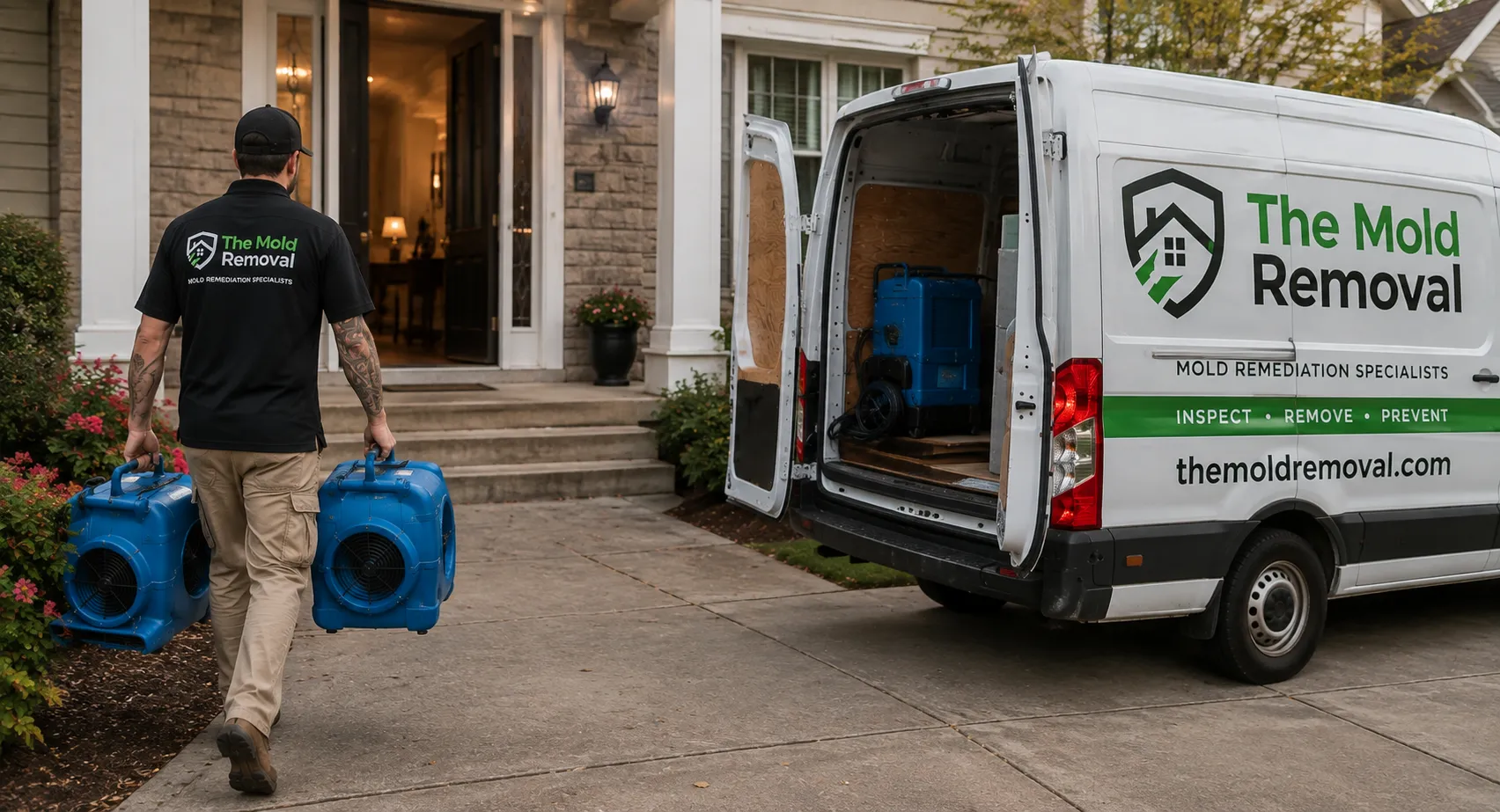
Water Extraction & Drying
Jackson TN Water Damage Restoration
Emergency extraction, structural drying, and storm or flood recovery — across Jackson and greater Tennessee. Call now to connect with our local pro.
Independent local pros · no-obligation assessment
- 24/7/365 live response from local crews
- Local pros often target a 60-minute response
- Independent local technicians
- Damage documented for your insurance claim — photos, moisture logs, and scope
-
24/7 emergency response
Water emergencies answered around the clock, every day of the year.
-
No lead form
One call, quoted by the pro who visits. Your details are not sold on.
- 24/7/365 live response from local crews
- Local pros often target a 60-minute response
- Independent local technicians
- Damage documented for your insurance claim — photos, moisture logs, and scope
One number reaches independent water damage specialists who work their own region, in every state.
Call (833) 243-4415
Water Damage Restoration - Done in the Right Order
Each stage is performed by the independent restoration contractor the call reaches; IICRC S500 is the industry standard that describes them.
-
Step 1: Extraction
Standing water is pumped out before it can travel further into drywall, subfloor, and framing. Speed here changes the scope of everything that follows.
-
Step 2: Moisture mapping
Meters read the material, not the air, so the wet edge is found even when the surface already looks dry. The map sets what has to come out and what can stay.
-
Step 3: Drying
Air movers and dehumidifiers run as a closed system until readings inside the material reach a dry standard, not until a calendar date arrives.
-
Step 4: Verification
The same points are re-read before equipment comes out. Rebuild starts only after the structure, not just the surface, is confirmed dry.
What drives water into buildings in Jackson
Our local pros provide water damage restoration services in Jackson and the surrounding area, including Bemis, East Main, and Northwood. A West Tennessee city on deep loess over Coastal Plain sands, drained by the forks of the Deer River, where nearly fifty-seven inches falls and March is the wettest month.
Housing stock
Close to three fifths of the housing here predates 1990 — 56.2 percent of it — and construction settles around a median year of 1985. The stock is mixed with a slight majority predating 1990, spread across gently rolling loess uplands and flatter bottomland. Loess absorbs water readily and then holds it, so upland lots that seem well drained can stay saturated for weeks after a wet March.
Climate and water risk
Of the 56.89 inches that arrive in an average year, 5.75 fall in March; the 1991–2020 normals come from a gauge 2.3 miles away at JACKSON EXP STN. March brings the heaviest rain in a very wet year, arriving as long frontal systems in the season with the least evaporation. Loess takes that water in and the sands beneath drain slowly, so the profile fills and the river forks respond over days rather than hours.
Common water damage problems in Jackson
- Loess absorbing prolonged March rain readily and then holding it for weeks
- River forks responding over days, producing long-duration rather than flash flooding
- Bottomland and rolling upland within one city, each with a different mechanism
- Winter and early spring saturation with no evaporative recovery between systems
Water Damage Restoration services in Jackson
Start with standing water, a wet basement, or the storm that just came through. The Water Damage connects you with local Jackson pros for extraction and drying.
- 24/7 Emergency
Emergency Water Extraction
Standing water is pumped and extracted around the clock to prevent absorption into drywall, subfloor, and framing. Local professionals often target a 60-minute response window, though actual timing varies with area and workload.
Learn more - Fast Response
Structural Drying & Dehumidification
Commercial dehumidifiers and air movers remove moisture from the structure, with daily readings logged from the material itself for claim documentation.
Learn more - 24/7 Emergency
Storm & Flood Recovery
From wind-driven rain to flash flooding, local professionals secure the property, extract standing water, dry the structure, and document all damage for the claim. Interior and exterior stabilization is handled to prevent secondary losses.
Learn more - Fast Response
Groundwater & Basement Intrusion
Basement seepage, failed sumps, and hydrostatic pressure against the foundation are extracted and dried, and the path from the ground is identified so the loss does not repeat.
Learn more - Scheduled
Ceiling & Roof Leak Water Damage
Water-stained or sagging ceilings are professionally dried, treated, and restored after roof failures, plumbing leaks, or upstairs overflows. Moisture is removed from the structure, damaged material is safely taken out, and the area is stabilized.
Learn more
Start from the Tennessee directory list for a nearby town.
Frequently asked questions
The ground has been saturated since February. Is that going to change before summer?
Usually not quickly. The wettest months here fall when evaporation is at its lowest, and loess takes water in readily and releases it slowly. The result is soil at capacity from late winter into spring, with each new system adding to ground that never emptied. Anything that depends on the soil drying, including crawl space recovery and foundation work, generally has to wait for the season rather than for a dry week.
Flooding here lasts for days rather than hours. Why?
Because the drainage is slow rather than steep. The Deer River forks drain a relatively flat landscape, so a large rainfall produces a rise that builds over days and recedes over days rather than passing through in an afternoon. That gives more warning than a flash flood setting, and it also means affected buildings sit in water far longer, which changes what can be salvaged. Duration rather than depth often decides the outcome here.
Should upland property owners worry about any of this?
About saturation rather than about flooding. Upland loess lots do not take river water, and they do sit on soil that stays at capacity for months. That produces crawl space moisture, basement seepage, and slow foundation movement rather than dramatic events. It is a quieter problem and it accounts for a substantial share of the water damage in this area, precisely because it does not announce itself.
Jackson, TN
Standing water in Jackson?
One free call connects you to a local pro who can extract and dry it — no obligation, no lead form.
Independent local pros · no-obligation assessment
Describe where the water is and you will be connected with an independent pro covering your area. There is no form to fill in and no callback queue.
- Where the water is coming from, if you can tell — a supply line, a roof, a drain, a creek, or the ground
- Whether it is still running, standing, or already soaking into floors and walls
- Whether the property is residential or commercial
- Your city, so the call routes to a contractor covering it