
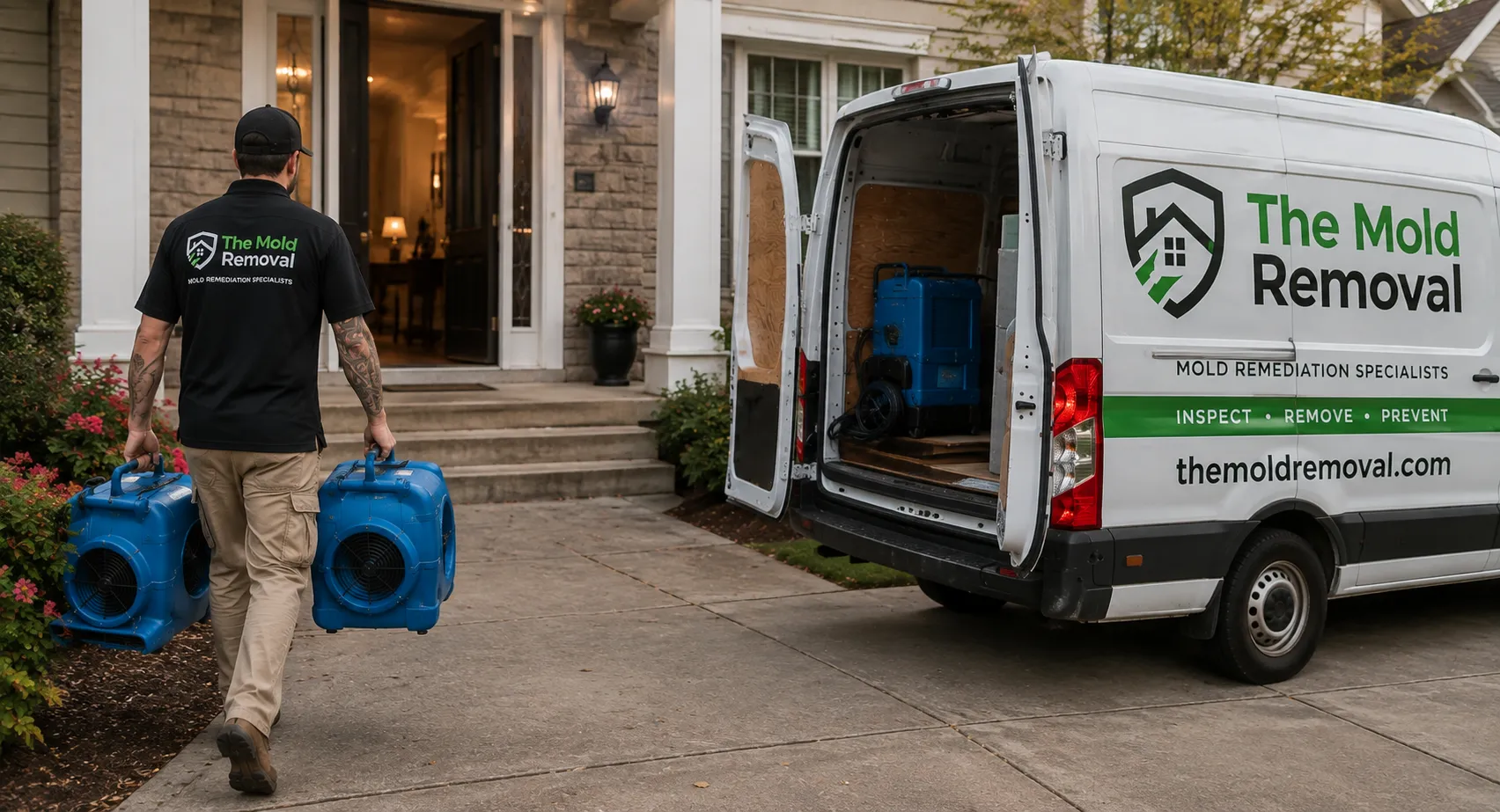
Water Extraction & Drying
Layton UT Water Damage Restoration
Emergency extraction, structural drying, and storm or flood recovery — across Layton and greater Utah. Call now to connect with our local pro.
Independent local pros · no-obligation assessment
- 24/7/365 live response from local crews
- Local pros often target a 60-minute response
- Independent local technicians
- Damage documented for your insurance claim — photos, moisture logs, and scope
-
24/7 emergency response
Water emergencies answered around the clock, every day of the year.
-
No lead form
One call, quoted by the pro who visits. Your details are not sold on.
- 24/7/365 live response from local crews
- Local pros often target a 60-minute response
- Independent local technicians
- Damage documented for your insurance claim — photos, moisture logs, and scope
One number reaches independent water damage specialists who work their own region, in every state.
Call (833) 243-4415
Water Damage Restoration - Done in the Right Order
Each stage is performed by the independent restoration contractor the call reaches; IICRC S500 is the industry standard that describes them.
-
Step 1: Extraction
Standing water is pumped out before it can travel further into drywall, subfloor, and framing. Speed here changes the scope of everything that follows.
-
Step 2: Moisture mapping
Meters read the material, not the air, so the wet edge is found even when the surface already looks dry. The map sets what has to come out and what can stay.
-
Step 3: Drying
Air movers and dehumidifiers run as a closed system until readings inside the material reach a dry standard, not until a calendar date arrives.
-
Step 4: Verification
The same points are re-read before equipment comes out. Rebuild starts only after the structure, not just the surface, is confirmed dry.
What drives water into buildings in Layton
The Layton area our local pros cover for water damage restoration takes in Fort Lane and Maple Acres. A Davis County city at the foot of the Wasatch, built across the fans that canyon debris flows have laid down where the mountains meet the valley.
Housing stock
The median home in Layton dates to 1993, and 43.8 percent of the stock was already standing when the 1990s began. Three fifths postdates 1990, spread across ground made of what those canyons have carried out of the mountains. Fan material drains well and it is also evidence of what the canyons above have done before.
Climate and water risk
April is the wettest month here at 3.14 inches, part of an annual 26.24 inches in the 1991–2020 normals from WEBER BASIN PUMP PLT 3, 3.3 miles off. April leads at just over three inches within twenty-six for the year. The hazard here is not rainfall but a wet spring on a heavy snowpack above the canyon mouths.
Common water damage problems in Layton
- Canyon mouths above the city, which have delivered debris flows onto the fans before
- A heavy mountain snowpack releasing across several weeks in spring
- Fan material that drains freely until the channel that built it shifts
- Ground still locked up in April, so the melt has to leave across the surface
Water Damage Restoration services in Layton
Start with standing water, a wet basement, or the storm that just came through. The Water Damage connects you with local Layton pros for extraction and drying.
- 24/7 Emergency
Emergency Water Extraction
Standing water is pumped and extracted around the clock to prevent absorption into drywall, subfloor, and framing. Local professionals often target a 60-minute response window, though actual timing varies with area and workload.
Learn more - Fast Response
Structural Drying & Dehumidification
Commercial dehumidifiers and air movers remove moisture from the structure, with daily readings logged from the material itself for claim documentation.
Learn more - 24/7 Emergency
Storm & Flood Recovery
From wind-driven rain to flash flooding, local professionals secure the property, extract standing water, dry the structure, and document all damage for the claim. Interior and exterior stabilization is handled to prevent secondary losses.
Learn more - Fast Response
Groundwater & Basement Intrusion
Basement seepage, failed sumps, and hydrostatic pressure against the foundation are extracted and dried, and the path from the ground is identified so the loss does not repeat.
Learn more - Scheduled
Ceiling & Roof Leak Water Damage
Water-stained or sagging ceilings are professionally dried, treated, and restored after roof failures, plumbing leaks, or upstairs overflows. Moisture is removed from the structure, damaged material is safely taken out, and the area is stabilized.
Learn more
Areas covered around Layton
The state index lists every Utah city on the site.
Frequently asked questions
What is a debris flow and why does it matter here?
It is a moving mixture of water, soil and rock coming out of a canyon rather than clear water, and the fans this city is built on are what previous ones deposited. The consequence is that a property below a canyon mouth is on ground that has received one before. The conditions that produce them are a heavy snowpack and a rapid warm spring, rather than a rainstorm.
Nothing here is caused by rain. It is caused by April.
It generally is, because it releases a winter's precipitation over a few weeks onto ground that is still frozen and can take none of it. Rain during that window makes it considerably worse by adding to the melt rather than replacing it. Late spring is the season to prepare for, and the preparation is a working pump and a discharge clear of ice before it starts.
The ground here drains beautifully. Is that not enough?
It is excellent for ordinary rain and it is not the point. Fan material is coarse and takes water readily, which is why standing water is rare, but the same material is a record of the canyon depositing it. The risk on a fan is about what comes down the channel occasionally rather than about what soaks in daily, and good drainage does nothing about the first.
Layton, UT
Standing water in Layton?
One free call connects you to a local pro who can extract and dry it — no obligation, no lead form.
Independent local pros · no-obligation assessment
Describe where the water is and you will be connected with an independent pro covering your area. There is no form to fill in and no callback queue.
- Where the water is coming from, if you can tell — a supply line, a roof, a drain, a creek, or the ground
- Whether it is still running, standing, or already soaking into floors and walls
- Whether the property is residential or commercial
- Your city, so the call routes to a contractor covering it